|
|
|
|
|
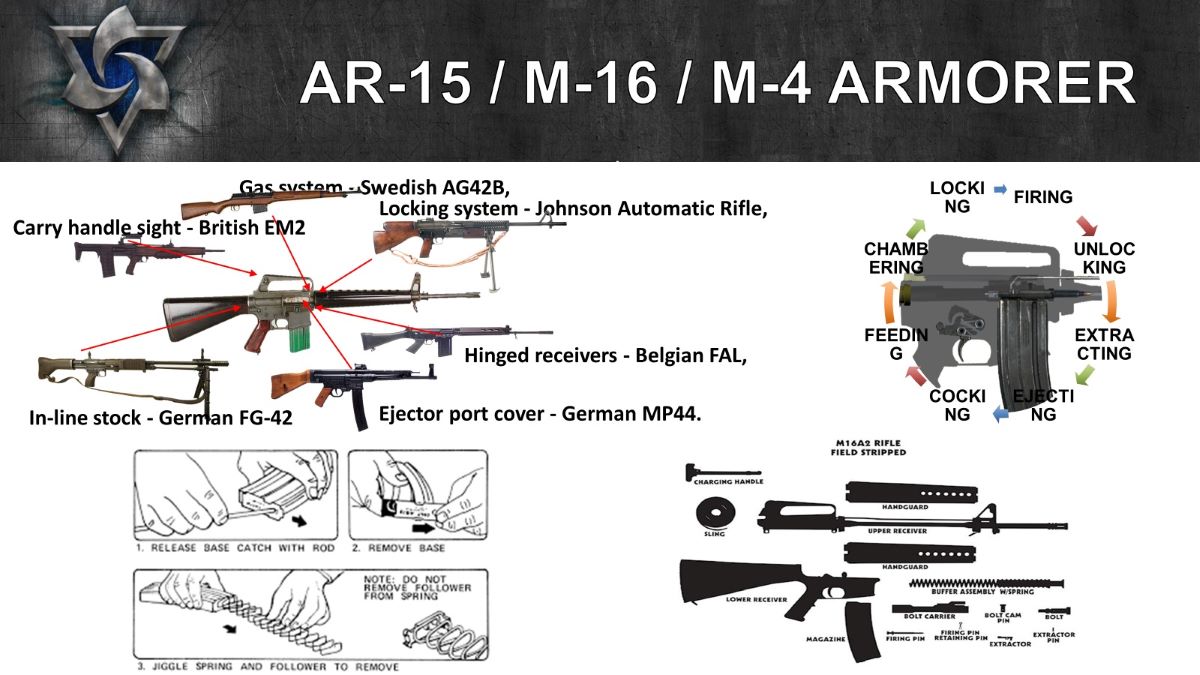
I will be offering our AR-15/M-16/M-4 Armorer class as an open enrollment class right here in Rigby, Idaho on Saturday April 27th and Sunday April 28th. This class is being hosted by our friends at Advantage Professional Training.
|
|
|
|
|
|
April 27 & 28, 2024 9:00 am - 5:00 pm
|
|
|
|
|
I AM HEADED BACK TO THE LAND OF ENCHANTMENT ...but just for the weekend. September 28th and 29th I will be holding back-to-back classes at New Mexico Bighorn Gun Club in Moriarty. The club is approximately 1 Hour from Albuquerque Airport, 1:15 from Santa Fe, or 1:45 from Los Alamos.
|
|

|

|
|
DEFENSIVE PISTOL ELEMENTS
|
|
I will be reprising our defensive pistol elements 1-day class.
|
|
|
|
|
|
|
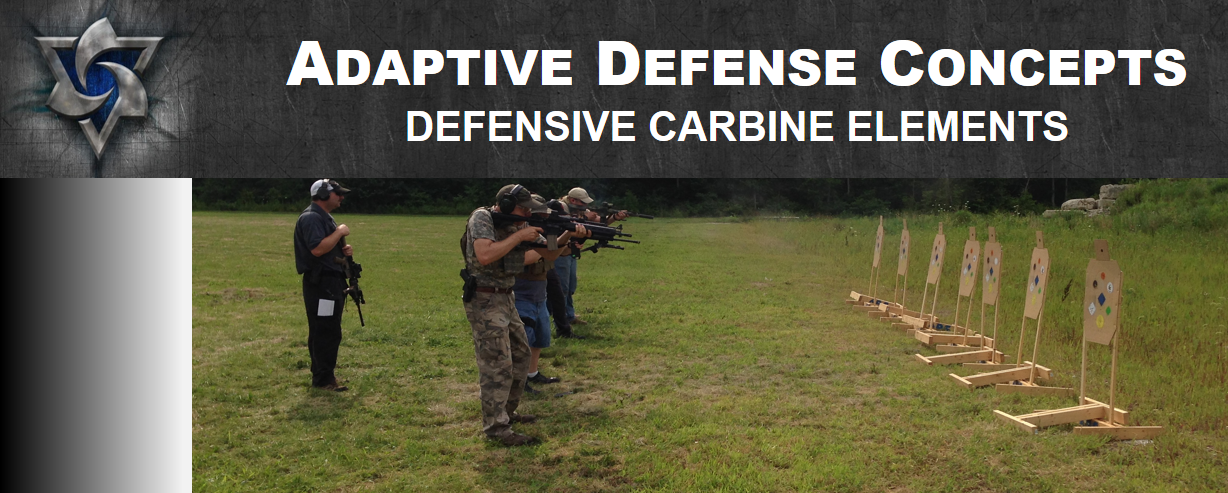
DEFENSIVE CARBINE ELEMENTS
|
|
This 1-day class will be a mix of content from Black Rifle 101 and our standard 2-day carbine class for a hybrid curriculum that is suitable for both beginners and experienced carbine shooters.
|
|
|
|
|
|
Register for both classes = $50 discount!
|
|

|
Did you manage to get your order in for any suppressors lately? News of the remarkably short transfer times over the past few weeks has spread like wildfire and most of the suppliers, at least of the popular brands, are running short of inventory. The overload of orders will no doubt bog down the ATF's NFA office and before long transfer times will be back where they used to be.
|
If you are new to suppressors, here are some tips for you on suppressor safety, care, and use:
|
- Read the manufacturer's instructions! They will give you guidelines on calibers, barrel lengths, and rates of fire the suppressor is suited for.
- When mounting suppressors (AKA "silencers" or simply "cans"), make sure you are following correct torque specs for mounting devices and use a little Flexbar Rocksett to make sure it stays where it belongs.
- When attaching or removing suppressors, be mindful of the proximity of your hand to the muzzle.
- After firing, suppressors can get very hot, it's a good idea to keep a heavy glove or oven mitt in your range bag.
- Check the tightness periodically, especially on "direct thread" cans (those that attach directly to the muzzle threads rather than a mounting device. With the vibration of firing, the suppressor can loosen and a wobbly suppressor will lead to baffle strikes and suppressor damage.
- Suppressors that can be disassembled for cleaning should be cleaned frequently. The carbon buildup, especially from pistol and rimfire rounds, accumulates quickly. The baffles may be difficult to remove from a dirty can, don't try to force them out. Spray some cleaning solvent on them and let it soak. That will loosen up the residue to the point the baffles can be pushed out with a wooden dowel rod and a few gentle taps. Be aware of the orientation that the baffles came out to ensure they get re-assembled the same way. Centerfire rifle cans typically don't need to be disassembled for cleaning.
- Be careful scrubbing the bore of a suppressor with brushes or patches. I've seen bore brushes torn to pieces inside a suppressor, resulting in bits of wire deposited in the can that was difficult to fully remove. The same thing with patches - if one gets stuck, that can be problematic. Anything in the bore of the suppressor can cause a projectile to deflect and damage the suppressor.
- The performance of most modern centerfire suppressors reduces muzzle noise to somewhere in the 130-140 dB range. Anything under 140 dB is called, in the industry, "hearing safe," but there's more to the story. OSHA allows for workers to be exposed to a 140dB impulse noise once in a work day. That doesn't mean it doesn't cause damage, it means it causes an acceptable amount of damage. Repeated exposures at this level in a day will damage your hearing. So... wear hearing protection even when shooting suppressed guns.
- When a suppressed firearm is discharged, the high-velocity muzzle gases enter the can and hit the baffles. Stagnate velocity = increase pressure. On a semi-auto firearm, the breach will open and the pressure in the can will vent, some forward out the muzzle, some back down the barrel towards the shooter. When that happens, debris can be blown out of the action into the shooter's face - particularly if you are left-handed. Eye protection is a must when shooting suppressed.
|
|
AMMUNITION
|
The ammo market isn't doing much right now, prices are fairly stable but still elevated, like everything else right now.
|
When purchasing ammo, you'll notice a weight in grains listed. This is the bullet weight. There are 7000 grains per pound or 15.43 grains per gram. Standard 9mm ammunition, for example, comes typically in 3 bullet weights 115 grain, 124 grain, and 147 grain - though there are lighter and heavier versions available. 5.56 NATO/.223 Remington ammunition comes most commonly in 55 grain bullet weight.
|
In addition to different weights, bullets come in several varieties: full metal jacket, soft point, solid copper, steel core, tracer, incendiary, and more.
|
When selecting ammunition, it's important not only to select the correct weight, but also the bullet style and construction for the intended use. For defensive use (for example) the best .223 projectiles are generally soft point rounds like the Speer "gold dot" or Federal "fusion," or heavy open-tip match rounds like the Sierra "match king" in 69 grains or heavier, which also have improved long-range performance. Lightweight or polymer-tipped projectiles are better suited for target or lightweight varmint hunting as they tend to lack adequate penetration in more dangerous targets. Likewise "ball" ammunition, standard full metal jacket, is less than optimal for defensive use.
|
|
Make sure that, in addition to plenty of inexpensive "ball" practice ammo, you also have a good supply of defensive ammunition and ammo suitable for longer-range use.
|
|
|
CLOSING THOUGHTS
|
I'm not going to remark on the state of the country and the world, I shouldn't need to.
|
So, I'm going to recommend as always that you take time to ensure you and your family are prepared for every contingency. Make sure you have adequate supplies, basic first aid and trauma gear, the defensive tools you need, and plenty of practice and training in using them. Please continue to support those organizations that are fighting to preserve our rights such as the GOA, and FPC.
|
|
|
|
|
|
|
|